Fullpower-AI deploys an AI world model for human biological and environmental systems

While much of today’s AI discussion centers on Large Language Models, Sleeptracker-AI operates differently. It builds a high-fidelity, predictive representation of a physical environment — the bedroom — the biological systems within it — human sleepers — and the effect of interventions in that environment.
What makes Sleeptracker-AI a world model?
In AI and control theory, a world model simulates the dynamics and causal relationships of an environment, including the effects of actions within that environment. It does more than classify patterns. It models the state of the world it observes.
Sleeptracker-AI does this across several dimensions:
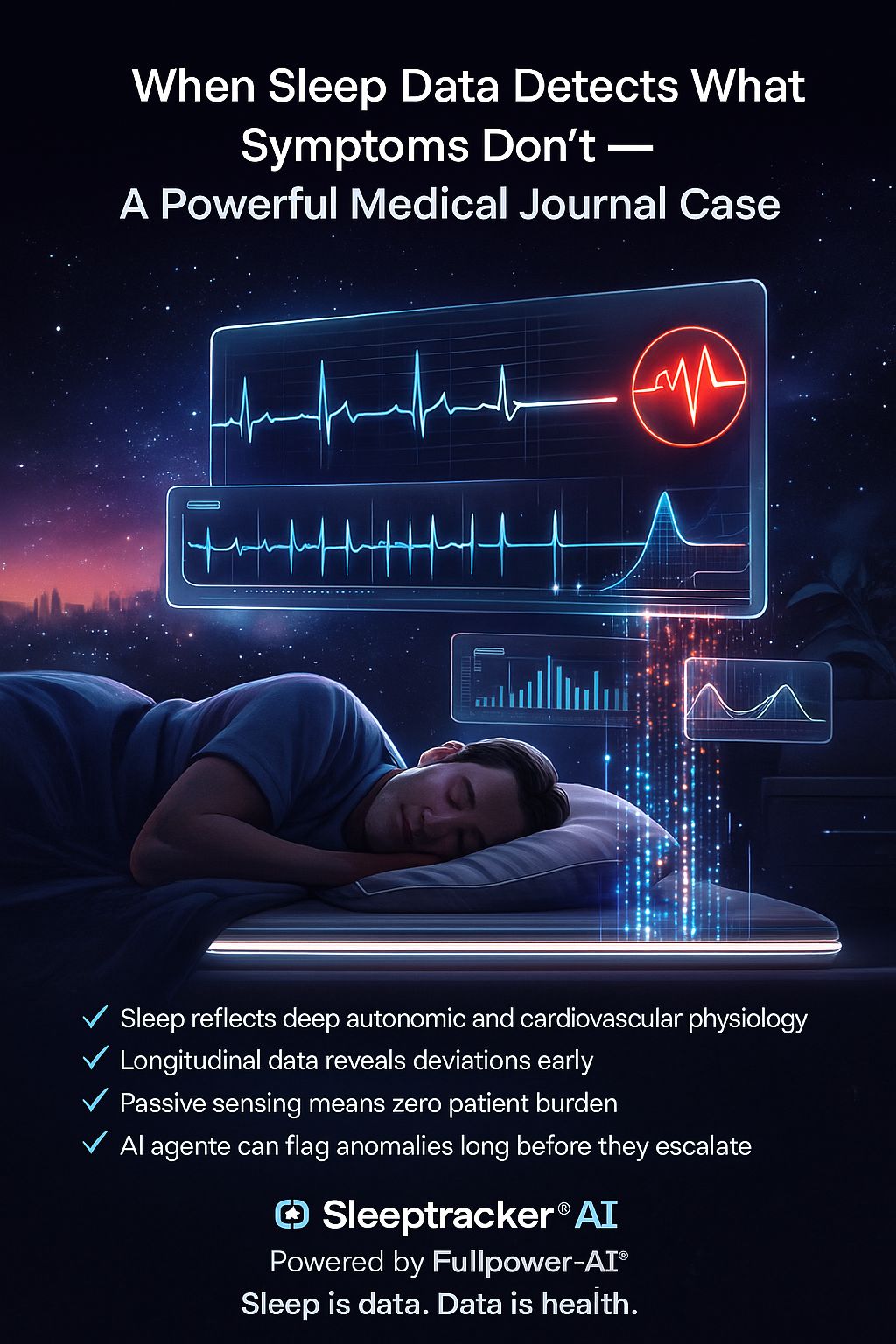
• Biological State Modeling: Sleeptracker-AI uses sensitive piezoelectric sensors to model the internal state of the human body. It reconstructs heart rate, respiration, and sleep stages by interpreting subtle physical micro-movements.
• Environmental Context: The platform incorporates bedroom conditions such as temperature, humidity, and air quality to understand how the external environment affects the sleeper’s internal physiology.
• Predictive Capabilities: The system predicts future states, such as wake timing and the likely effect of interventions, including changes in bed geometry.
Deployed at scale non invadively, contactless
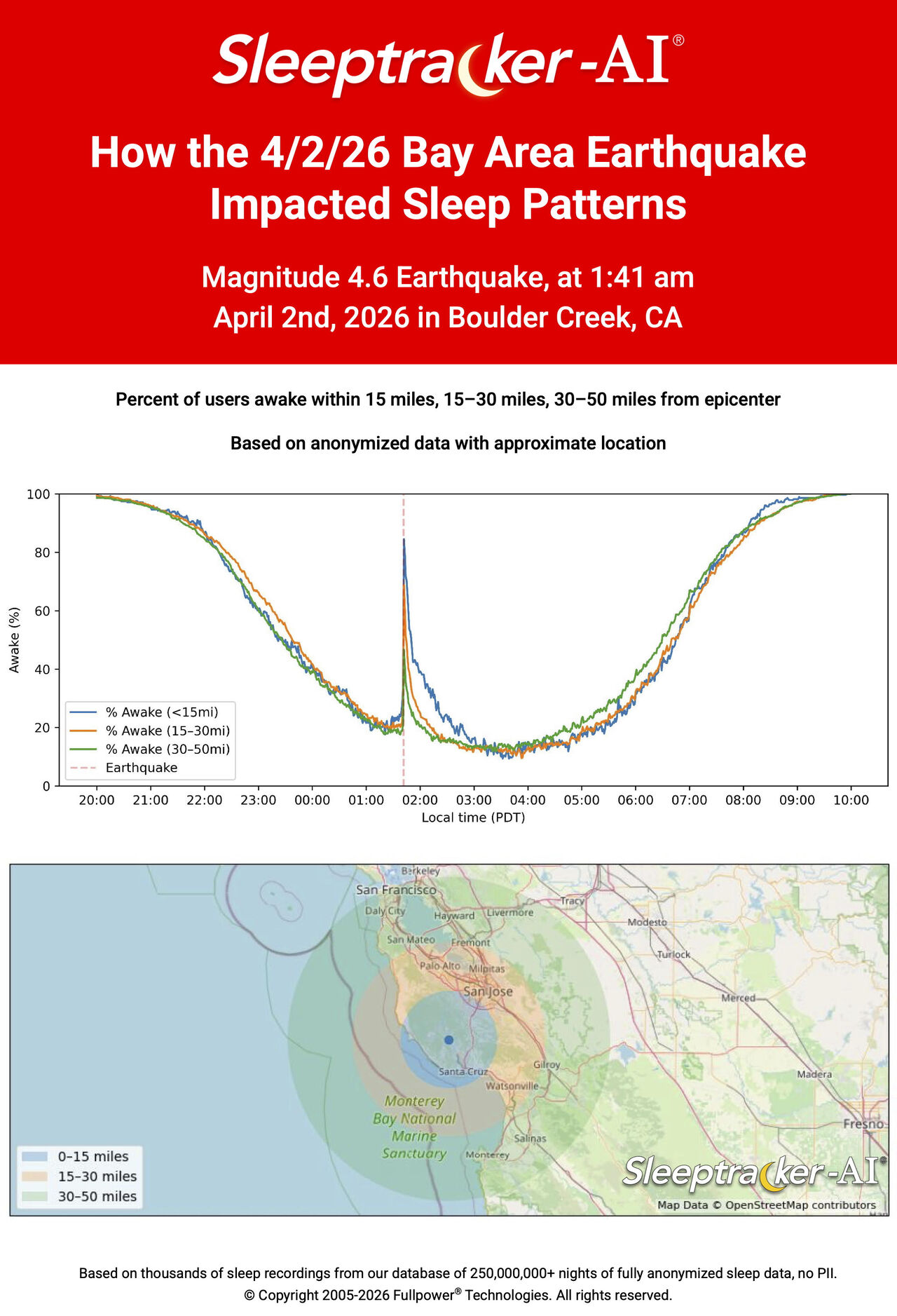
Many world models remain research concepts. Sleeptracker-AI is already deployed globally.
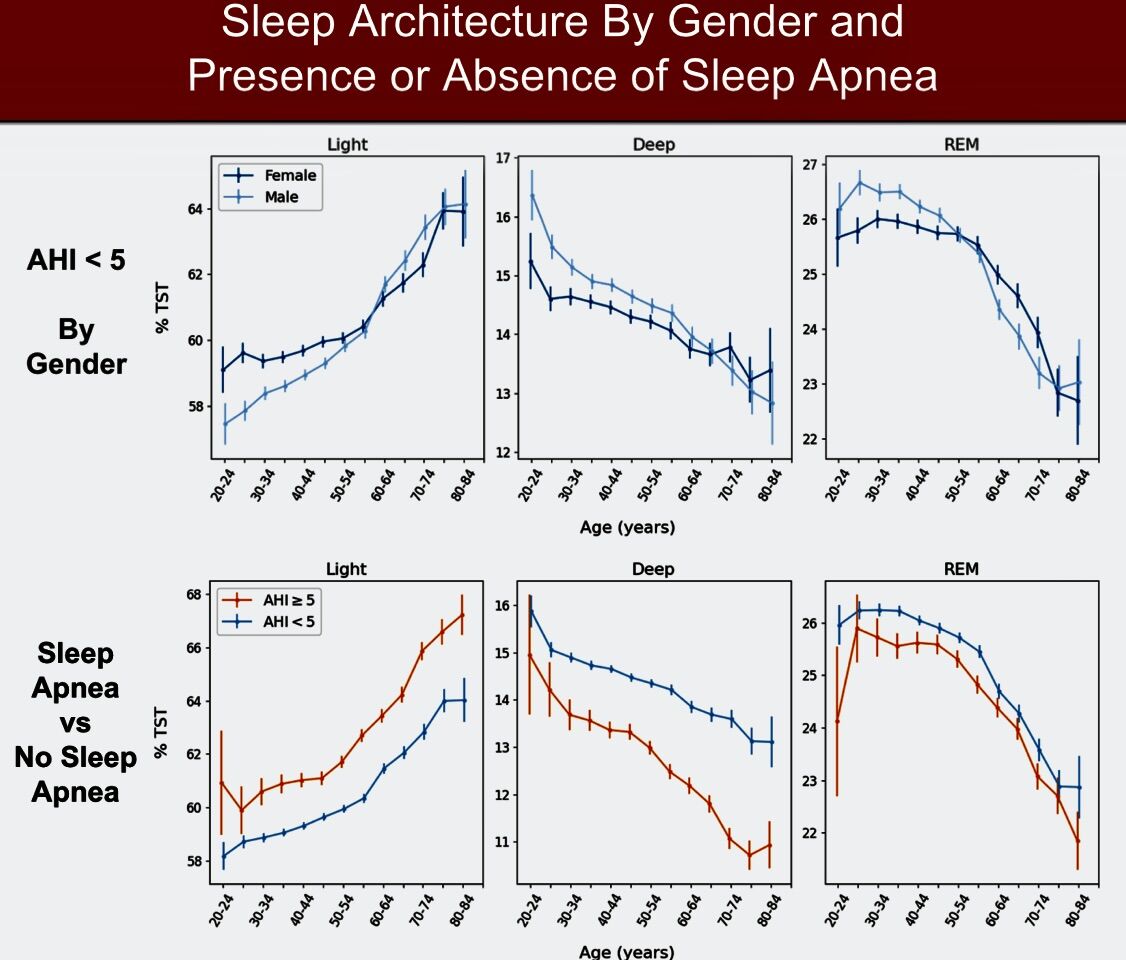
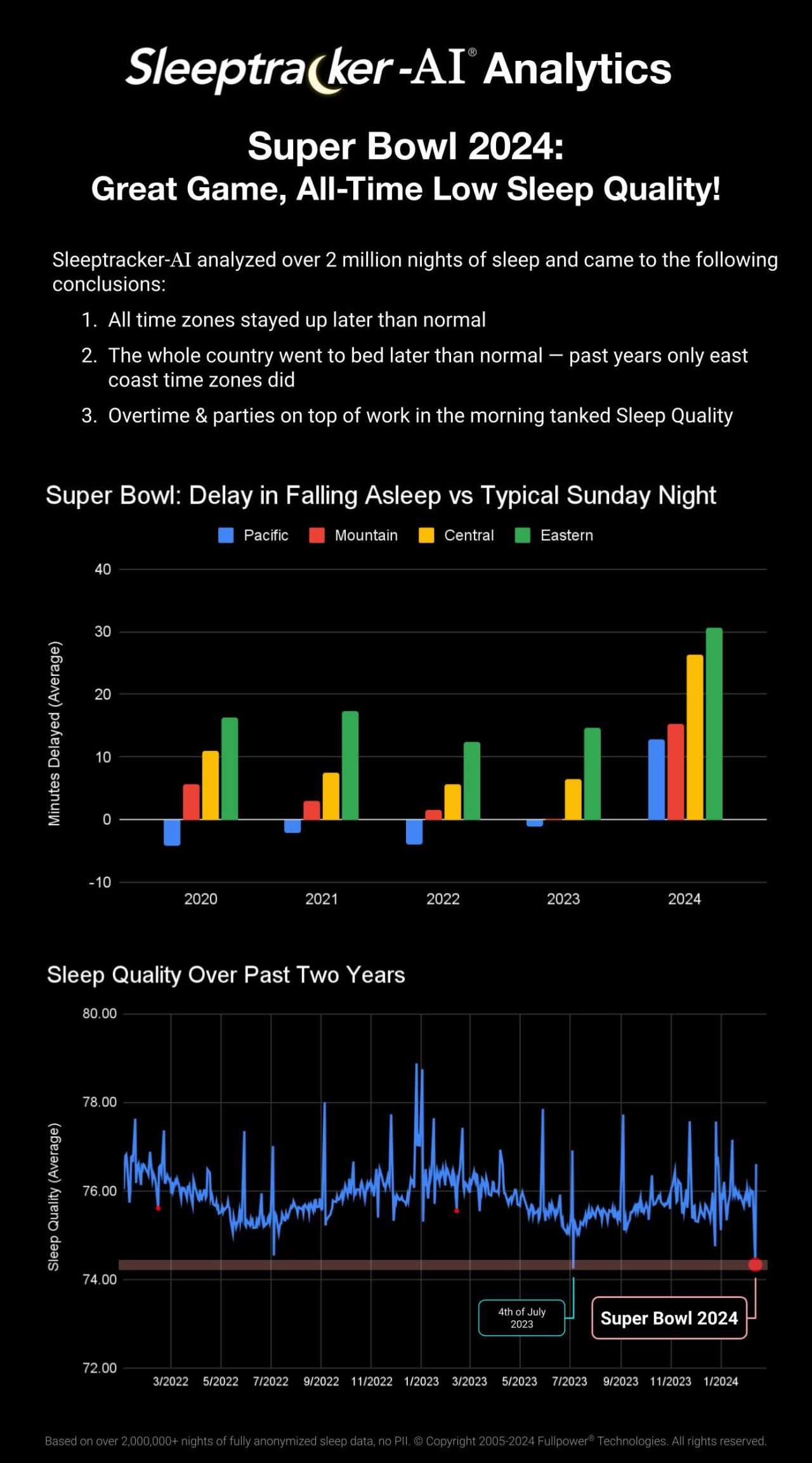
• Massive data scale: The platform has analyzed 250+ million nights of high-fidelity sleep data, creating a continuously improving data flywheel.
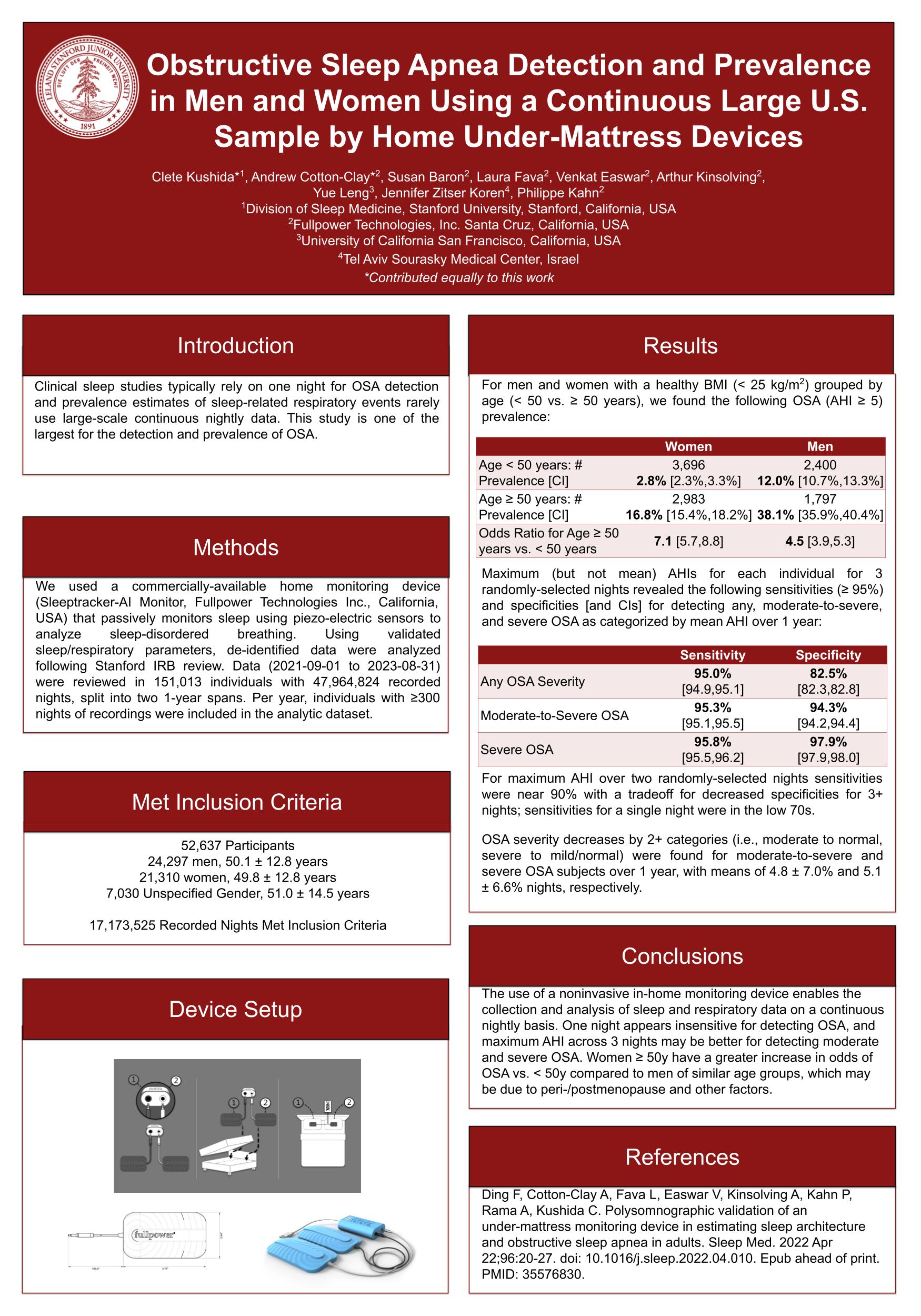
• Physical-first AI: Sleeptracker-AI is embedded in smart beds, including Tempur-Pedic, and used in clinical research with institutions such as Stanford and UCSF.
• Global footprint: The platform operates in more than 140 countries, across diverse environments and populations.
The Sense-and-Respond™ loop
A true world model enables an agent to act, observe the result, and improve its understanding.
Sleeptracker-AI closes this loop:
1. Sensors detect a disturbance, such as snoring or a breathing event.
2. The AI identifies a suboptimal physiological state.
3. The system adjusts the bed base, such as raising the head.
4. The AI monitors the result and updates its model of that sleeper.
Why it matters
The next wave of AI value is moving beyond the screen and into physical infrastructure, edge computing, and real-world systems.
Sleeptracker-AI is not just a tracker. It is a dynamic model of human-environment interaction — sensing, predicting, acting, and learning at global scale.
It shows how world models can move from research labs into the everyday infrastructure of health, sleep, and longevity.